The War Returns and Gold Falls Again: Iran Closes Hormuz, Oil Jumps 7%, Gold Slides to $4,020
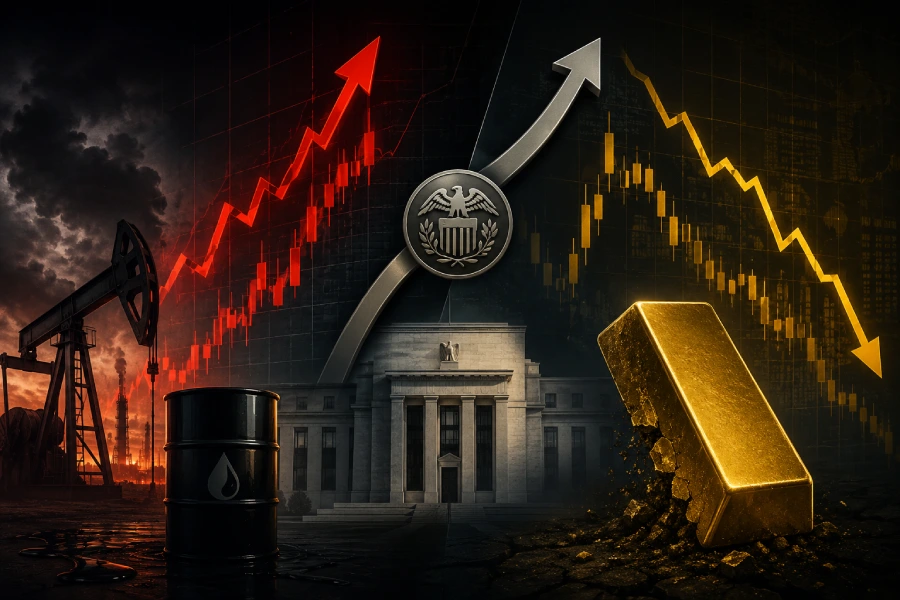
Gold has fallen sharply to around $4,020 to $4,066 per ounce this Monday July 13, down more than 2% and marking a second consecutive session of losses — even as the Middle East plunges back into open conflict. Over the weekend, the fragile ceasefire collapsed completely. The United States launched a third round of strikes hitting approximately 140 Iranian military targets. Iran formally declared the Strait of Hormuz closed. Oil surged more than 7%. And yet gold, the classic safe-haven asset, is falling. This is the paradox that has defined the 2026 gold market, and it has returned in full force.
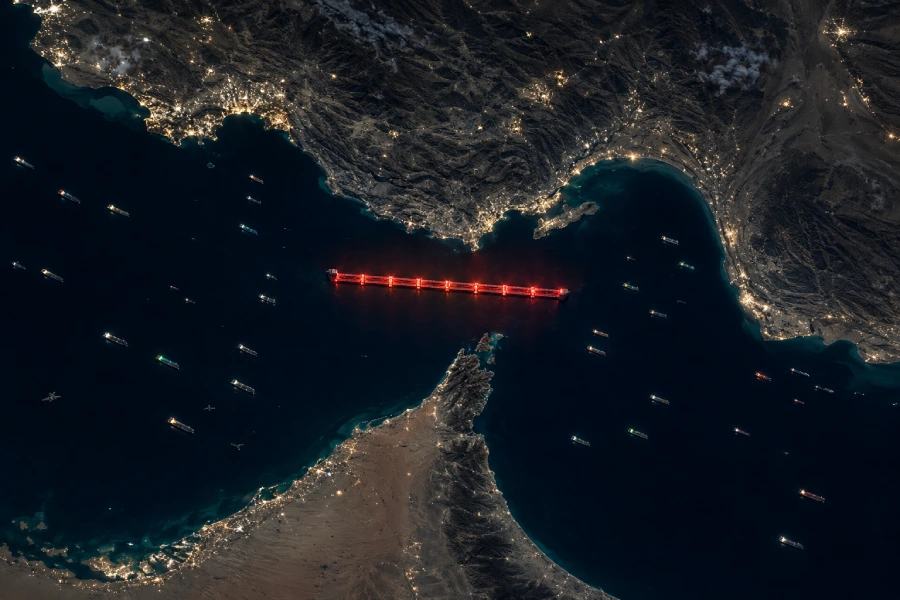
Let us start with the escalation, which is severe. The Iranian Revolutionary Guard struck a Cyprus-flagged container ship, the GFS Galaxy, for using what it called an “unauthorized route” through the strait, causing significant damage to the engine room with one crew member missing. In response, the US launched its third round of strikes. Iran then formally declared the Strait of Hormuz closed until further notice — a claim US officials have rejected, creating a stalemate of contradictory statements about whether the vital waterway is actually open. Iran launched retaliatory missile and drone strikes on US bases, including Prince Hassan Air Base in Jordan, with air defenses activated across Qatar, Bahrain, and the UAE. Qatar’s Transport Ministry suspended all maritime vessel activity — the first blanket maritime suspension by a Gulf state since the conflict began.
President Trump has announced the US will reimpose its naval blockade of Iranian ports and act as the “guardian” of the Strait of Hormuz, charging ships a 20% toll for passage. Oil responded violently: Brent crude jumped 7.1% to $81.40 a barrel and US crude rose 7.2% to $76.50 — both at their highest since June 15, and up roughly 9% over five days.
So why is gold falling? Here is the chain that every buyer must understand. Higher oil prices drive inflation. Rising inflation forces the Federal Reserve to keep interest rates high or raise them further. And high interest rates are gold’s greatest enemy, because gold pays no yield and competes with interest-bearing assets. Markets have now raised the probability of a September rate hike to nearly 70%. The dollar strengthens on those expectations. And so, paradoxically, war in the Gulf pushes gold down rather than up — because in this particular conflict, the war operates through an inflation channel that empowers the Fed.
This week is critical. Fed Chair Kevin Warsh delivers his first monetary policy testimony before Congress on Tuesday — his words will be scrutinized for signals on rates. The June CPI inflation report and retail sales data also arrive. If inflation comes in hot on the back of the oil surge, rate-hike bets could rise further and gold could face more pressure.
For buyers, gold at $4,020 to $4,066 is nearly 28% below January’s record of $5,597 — the deepest discount of the year. It remains up 19.5% over the past year. The structural floor holds: China’s central bank reported its largest monthly increase in gold reserves in over two and a half years in June, and central bank buying continues globally.
Today’s prices: 24K — $130.00/gram | 22K — $119.20/gram | 21K — $113.75/gram
All prices USD. Monday July 13 indicative. Highly volatile market. Confirm in store before purchase.